
Last Updated: November 19, 2026
Quick Summary
Small batch skincare is made in limited, hands-on production runs, so ingredients stay fresher and makers can oversee quality from start to finish. Shorter runs mean less time between making and using, clearer ingredient sourcing, and less production waste. Small batch is a production method, not a guarantee a product suits your skin.
- Plant oils oxidize over time, and heat, light, and air speed up that decline.
- Ask any brand when the batch was made and how ingredients were stored before production.
- Anhydrous oils and balms with no water are less hospitable to microbial growth but still oxidize.
- Patch test on your inner arm and wait a day before using a product on your face.
- Check whether the brand can name the farm or region behind its key ingredients.
Table of Contents
- What Small Batch Skincare Really Means
- Small-Batch Skincare Benefits You Can Feel
- Why Ingredient Sourcing and Freshness Matter
- Sustainably Sourced Skincare Without the Guesswork
- Skincare for Sensitive Skin: What Small Batches Get Right
- How to Choose Sustainable Skincare You Can Trust
- Build a Nourishing Ritual with glō Luxury Oils
- Frequently Asked Questions
What Small Batch Skincare Really Means
Small batch skincare is made in limited production runs, often by hand, in quantities a maker can oversee from start to finish. Instead of thousands of units churned out on a continuous line, a small batch means a controlled amount: mixed, poured, and checked in one session, then released fresh.
At glō Luxury Oils, that definition is literal. We source ingredients directly from growers and co-ops, and we make our oils in small batches. The difference between this and mass-produced skincare isn't marketing language. It's a different set of decisions at every step, from how much we make to how quickly it reaches you.
Here's the honest part most brands skip: small batch is a production method, not a magic wand. It tells you how something was made. It doesn't automatically tell you whether it's right for your skin. Keep reading, because the details are where the real value sits.
Small-Batch Skincare Benefits You Can Feel
The benefits of small-batch skincare come down to freshness, oversight, and ingredient integrity. When a batch is small, the maker can pay attention to texture, scent balance, and how each ingredient behaves. That hands-on approach is hard to sustain at industrial scale.
- Fresher ingredients in the bottle. Shorter production runs mean less time between making and using.
- More attention to detail. A maker handling one batch can catch inconsistencies a production line never would.
- Clearer ingredient sourcing. Small makers often know exactly where their botanicals come from.
- Less production waste. Making closer to demand means less overproduction and less discarded stock.
- Formulations built around nourishment. With fewer constraints, a maker can focus on how an oil feels and supports skin rather than how cheaply it can be reproduced.
That last point matters most to us. Our approach is about feeding skin, not fixing it. If you want to go deeper on these points, our article on the benefits of small batch organic skincare walks through them in more detail.
Why Ingredient Sourcing and Freshness Matter
Ingredient freshness is the strongest argument for small-batch skincare, and also the one most brands overstate. Plant oils and botanicals do change over time. Their scent shifts, their texture can turn, and the compounds that make them useful gradually decline.
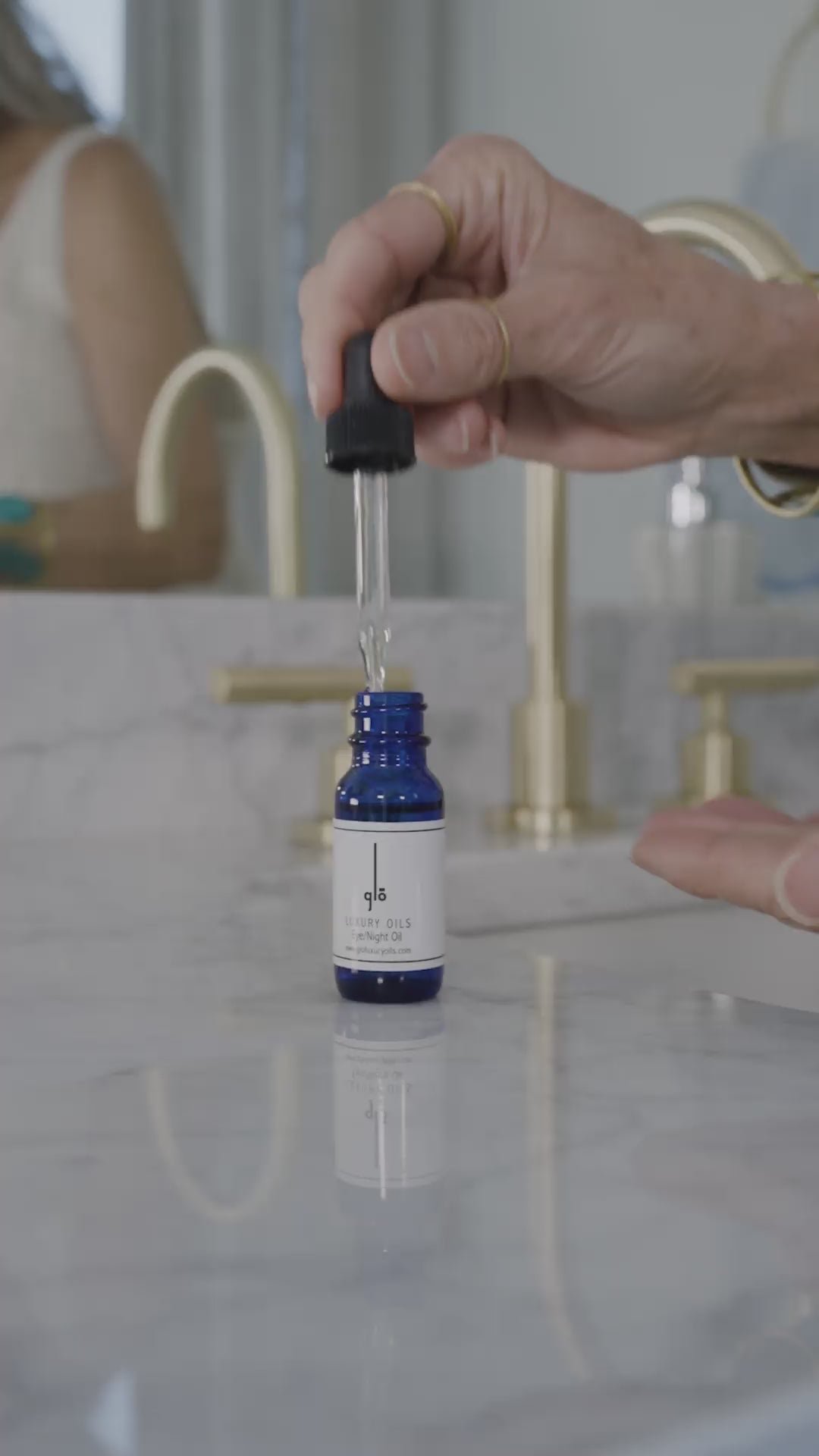
The mechanism is worth understanding, because it separates a real freshness claim from a slogan. Plant oils are mostly triglycerides, and over time oxygen attacks the unsaturated fatty acids in them. That process, oxidation, produces off-odors and a rancid note, and it is accelerated by heat, light, and air. Volatile aromatic compounds, the ones that give neroli or saffron their character, evaporate and degrade faster than the oil itself. So a fresh oil does not just smell better; it behaves differently on skin, spreading more evenly and absorbing without the heaviness that oxidized oil can leave behind.
This is one reason we source directly from the growers and co-ops who harvest the plants. Saffron, prickly pear, and argan don't improve with age in a warehouse. Freshness is a quality-control question as much as a sourcing one, and it's worth asking any brand how they manage it. You can see how this plays out in our limited batch body oils, which are made in small runs with freshly sourced ingredients.
Here is the part most small-batch marketing leaves out: freshness is not automatic, and it is not the same as safety. A small batch made with poorly stored ingredients can still arrive oxidized. A product with water in it, even a hydrosol, needs a preservative system to keep microbes from growing, and a maker who cannot explain their preservation and testing approach is not one to trust with sensitive skin. Anhydrous products, meaning oils and balms with no water, are naturally less hospitable to microbial growth, but they still oxidize. Ask any brand three things: when the batch was made, how the ingredients were stored before production, and what testing they run between batches.
Storage plays a role in how well an oil keeps after you buy it. A cool, dark place is generally a good choice for any plant oil, and every time you open a bottle you introduce some air.
"Natural" and "fresh" are not the same as "safe."
Sustainably Sourced Skincare Without the Guesswork
Sustainably sourced skincare means the ingredients are traced to their origin and the production method considers waste and environmental impact. The trouble is verification. Plenty of brands use the words "clean," "organic," and "fair trade" without showing you anything behind them.
How do you check? Ask three questions. First, where does the ingredient come from, and can the brand name the farm or region? Second, is the ingredient certified organic, or grown with organic practices? Those aren't identical claims. Third, what happens to production waste and packaging?
Small makers often have fewer layers between them and the source, which can make these questions easier to answer. For anyone weighing eco-friendly production against the usual claims, our guide to sustainable beauty practices for sensitive skin covers what to look for.
Skincare for Sensitive Skin: What Small Batches Get Right
Skincare for sensitive skin benefits from simplicity and freshness, not from a longer ingredient list. Sensitive skin reacts to what's in a product and sometimes to how long it's been sitting. A short ingredient list made with thoughtfully sourced plant oils reduces the number of things your skin has to tolerate.
That said, small batch does not mean hypoallergenic, and it does not mean a product suits every sensitive complexion. This is the claim most brands avoid, and it matters. Essential oils, even naturally derived ones like neroli, contain aromatic compounds that some people react to. A product can still disagree with your skin, and that is not a failure of you. It is information.
Patch test first, every time. Apply a small amount to your inner arm and wait a day before using it on your face. If you have rosacea or eczema, introduce one new product at a time so you can tell what's helping and what isn't. Keep a simple note of what you used and how your skin responded; patterns show up faster than you'd expect. If your skin is actively reactive, a fragrance-free, single-ingredient oil is often the gentlest place to start, and you can add complexity once you know your baseline.
Texture and scent matter here too. A fresh oil absorbs differently than an old one, and a naturally derived scent is often gentler than a synthetic fragrance blend, though "natural" is not a guarantee of tolerance. Our Moroccan Body Oil uses neroli, saffron, and prickly pear, and it's formulated for all skin types. It's about nourishment, not correction. If your skin is telling you something, listen to it rather than pushing through; that is part of the ritual too.
How to Choose Sustainable Skincare You Can Trust
Choosing sustainable skincare comes down to evidence, not adjectives. Use this checklist before you buy:
- Can the brand name where its key ingredients come from?
- Are ingredients certified organic or grown with organic practices, and is that stated clearly?
- Does the brand explain its preservation and quality-control process?
- Is the packaging recyclable or the shipping material compostable?
- Does the product list a use-by or freshness window?
- Is the batch size small enough that freshness is realistic?
If a brand can't answer two or three of these, that's your answer. And if you'd rather not sort through it alone, you can book a skin consultation and get personalized guidance on what suits your skin and your values.
Run through these questions before you buy anything that calls itself sustainable skincare.
| Check | What to look for |
|---|---|
| Ingredient origin | Brand can name the farm or region |
| Organic status | Certified organic or grown with organic practices, stated clearly |
| Preservation and QC | Brand explains its preservation and quality-control process |
| Packaging | Recyclable packaging or compostable shipping material |
| Freshness window | Product lists a use-by or freshness window |
| Batch size | Small enough that freshness is realistic |
Build a Nourishing Ritual with glō Luxury Oils
Skincare as ritual changes how you use it. Instead of rushing through a routine to fix a problem, you slow down and treat the few minutes as care for yourself. That shift, from correction to nourishment, is the heart of what we make.
Our small-batch oils are built for that moment. The Moroccan Hydrosol provides skin-plumping hydration, while the Moroccan Body Oil layers in regenerative plant oils that soften the look of dry or aging skin. Both are made in small batches. The Set of Morocco Mist + Body Oil pairs them together.
Your skin doesn't need fixing. It needs nourishment, a little consistency, and products made with care. glō Luxury Oils makes small-batch, 100% natural oils with directly sourced organic ingredients, so you can build a ritual that feels as good as it works. Get started with glō Luxury Oils and give your skin the kind of care it deserves.
Frequently Asked Questions
What does small-batch skincare mean?
Small-batch skincare means products are made in limited production runs rather than in large, continuous manufacturing lines. A small-batch maker typically produces a few dozen or a few hundred units at a time, then makes the next batch when needed. That approach allows closer attention to ingredient quality, freshness, and consistency from one batch to the next. It also means limited availability, so popular items can sell out before the next run is ready.
Is small-batch skincare fresher than mass-produced skincare?
Small-batch products are made in smaller quantities, and freshness can mean better texture and scent, though freshness does not replace proper preservation. Always check the use-by date and store products as directed to keep them at their best.
Does small-batch skincare work for sensitive skin?
Some people with sensitive skin look for simpler formulas with fewer ingredients. Look for short ingredient lists, fragrance that comes from natural botanicals, and clear sourcing information. Patch test any new product on your inner arm for a few days before applying it to your face, especially if you have rosacea or eczema.
How can I tell if a skincare brand really makes products in small batches?
Ask the brand directly how often it produces and how many units a batch contains. Check whether the label shows a batch number or a fill date, and whether the website explains where ingredients come from. A maker who sources directly from farms can usually describe the growers and the harvest. Limited runs, seasonal sellouts, and detailed sourcing stories are good signs that the small-batch claim is genuine.
