
Last Updated: November 21, 2026
Quick Summary
To buy organic cold pressed body oil, check that the label states the cold-pressed extraction method and names a recognized organic certifying body, then confirm the first ingredient is the cold-pressed carrier oil rather than a fragrance or filler. Match the oil to how your skin feels, and press it in within three minutes of showering while skin is still damp.
- Cold pressing is a mechanical process using no added heat or chemical solvents.
- Apply three to five pumps within three minutes of showering, while skin is still damp.
- Patch test essential-oil blends on your inner arm for a day before full-body use.
- A certification seal may cover only selected ingredients, not the whole formula.
- If the page does not say cold pressed, assume the oil is not.
Table of Contents
- Why Cold Pressed Body Oil Belongs in Your Ritual
- Quick Comparison: Four Small-Batch Organic Body Oils
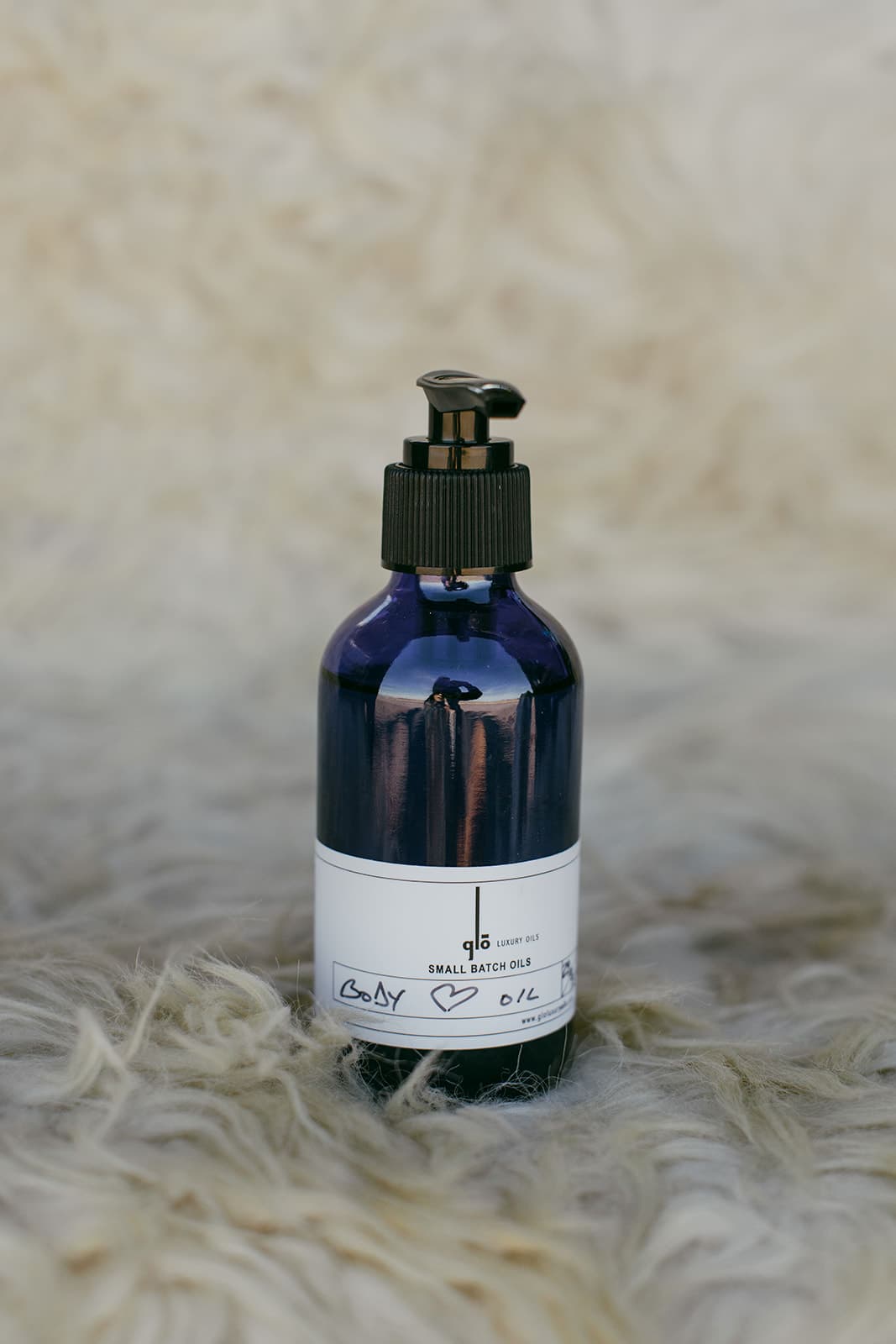
- Body Love Oil: Camelina and Rose Geranium for Calming Dry Skin
- Relaxing Lavender Body Oil: Gentle Comfort for Sensitive Skin
- Moroccan Body Oil: Saffron, Neroli, and Prickly Pear for Luminous Skin
- How to Use Body Oil After a Shower for Full-Body Hydration
- Choosing the Best Organic Body Oil for Dry Skin
- What Certified Organic Body Oil Really Means
- Frequently Asked Questions
Why Cold Pressed Body Oil Belongs in Your Ritual
Cold pressed body oil is oil extracted without heat or chemical solvents, so the plant's natural vitamin E and fatty acids stay intact.
Here is the part most guides skip: cold pressing is a mechanical process, not a marketing badge. Seeds go into a press, oil comes out, and nothing is added to stretch the yield.
Below, we walk through four small-batch oils, how to apply them after a shower, and how to read a label without getting fooled. The goal is not fixing your skin. It is feeding it.
Quick Comparison: Four Small-Batch Organic Body Oils
Here is the short version before the details. Each oil below is made from natural ingredients and listed in the product details.
| Oil | Price | Key Ingredients | Best For | Feel |
|---|---|---|---|---|
| Body Love Oil | $50.00 | Cold-pressed camelina, rose geranium | Dry, irritated skin | Rich, absorbs steadily |
| Relaxing Lavender Body Oil | $48.00 | Camelina, lavender | Sensitive skin, calming | Light, gentle |
| Moroccan Body Oil | $68.00 | Saffron-infused argan, neroli, prickly pear | Luminous, mature skin | Light, fast-absorbing |
| Morocco Mist + Body Oil Set | $105.00 | Both Moroccan products | Gifting, full ritual | Layered mist and oil |
Price
Want to see the whole shelf side by side? You can browse the full body oil collection and compare every option yourself.
Body Love Oil: Camelina and Rose Geranium for Calming Dry Skin
Start with the one we reach for most. Body Love Oil is built on camelina oil from a small Montana grower, cold pressed. Camelina is known for its anti-inflammatory properties.
Rose geranium essential oil brings the second half of the story. The scent is floral and rich.
Best for: dry, irritated skin that wants rich nourishment. Skip if: you prefer an entirely unscented oil.
A common mistake is slathering this on dry skin straight out of the shower stall. If you want the full details, you can see the Body Love Oil on our product page.
Relaxing Lavender Body Oil: Gentle Comfort for Sensitive Skin
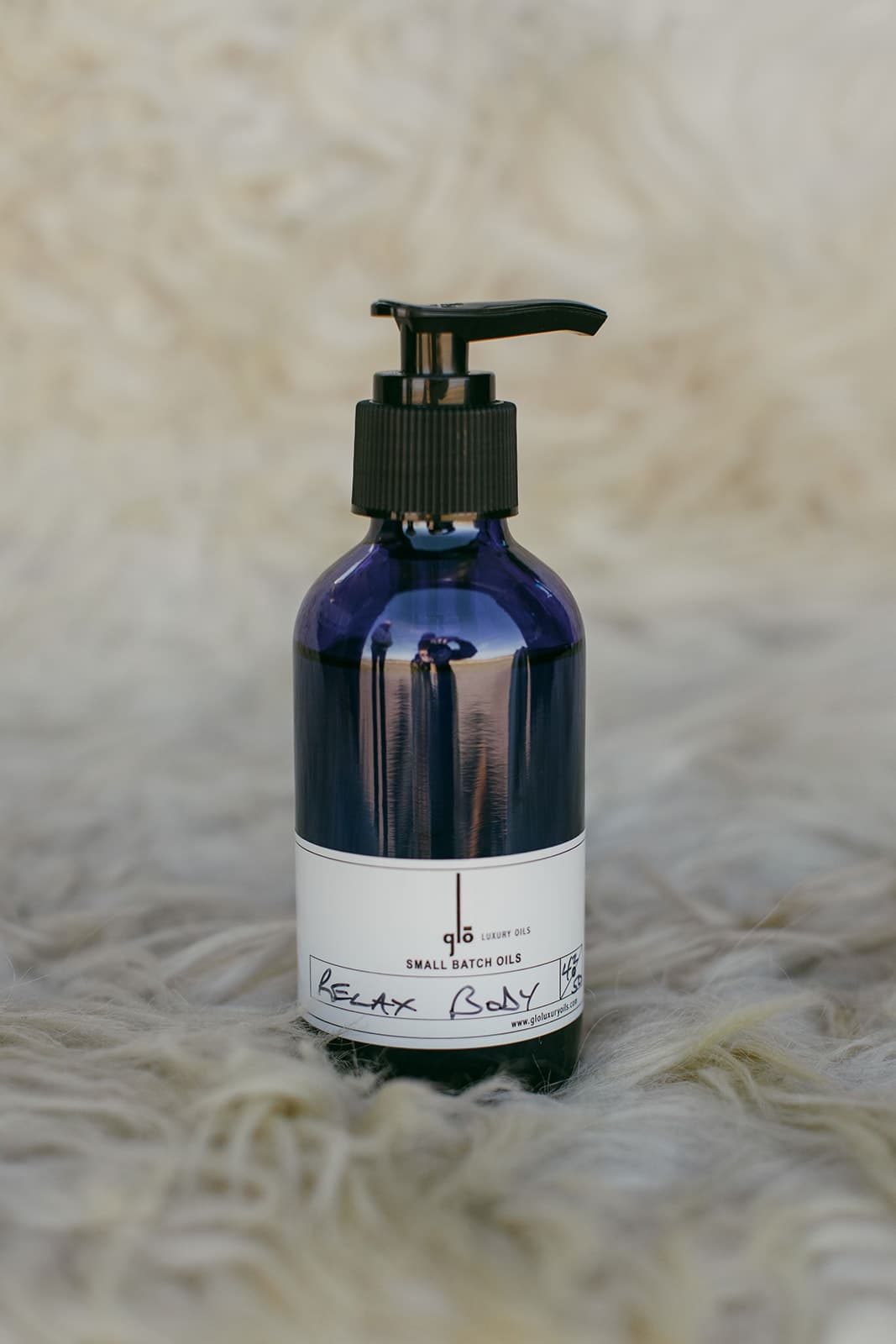
Sensitive skin does not need a long ingredient list. It needs a short one, handled carefully.
The scent is crisp and floral, like a freshly snipped bouquet. The listing notes the gentle qualities of lavender are appropriate for pregnant women and children alike.
Best for: reactive or easily irritated skin, and anyone who wants a calmer evening ritual. Skip if: you want a more pronounced glow finish.
Watch out: essential oils can still trigger reactions in very sensitive skin, so patch test on your inner arm for a day before using it all over. You can view the Relaxing Lavender Body Oil to read the full details.
Moroccan Body Oil: Saffron, Neroli, and Prickly Pear for Luminous Skin
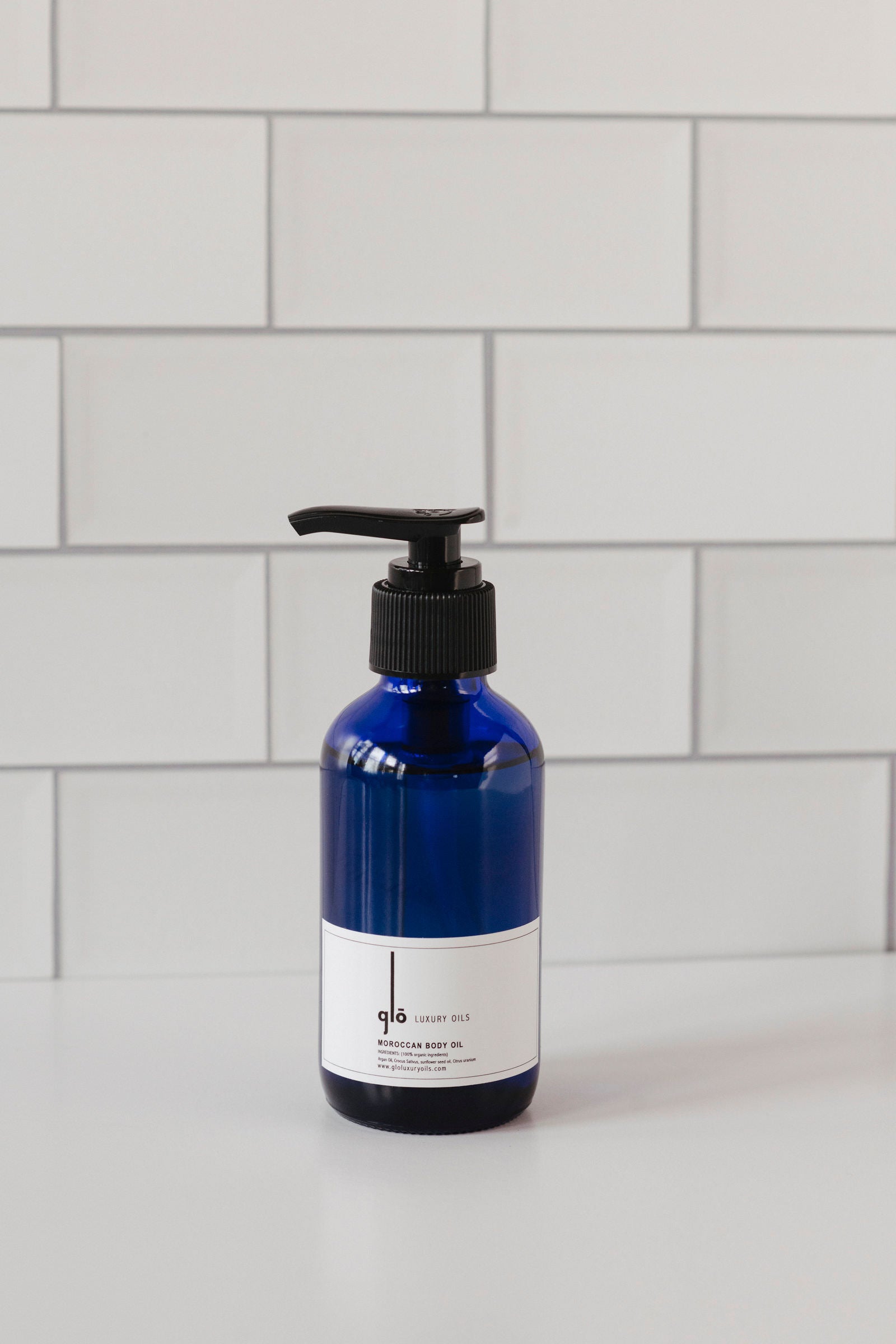
This is the one that feels like a trip. Moroccan Body Oil blends saffron-infused argan, neroli, and prickly pear oil.
The listing describes this oil as light and intoxicating, with saffron-infused argan, neroli and prickly pear oil.
Skip if: you want the simplest possible routine with one oil.
If you cannot decide between the oil and the mist, the duo exists for exactly that reason. You can explore the Moroccan Body Oil and see what fits your shelf.
How to Use Body Oil After a Shower for Full-Body Hydration
The best time to apply body oil is within three minutes of stepping out of the shower, while skin is still damp. Damp skin holds moisture, and the oil seals it in. Dry skin plus oil equals a film that sits on top instead of sinking in.
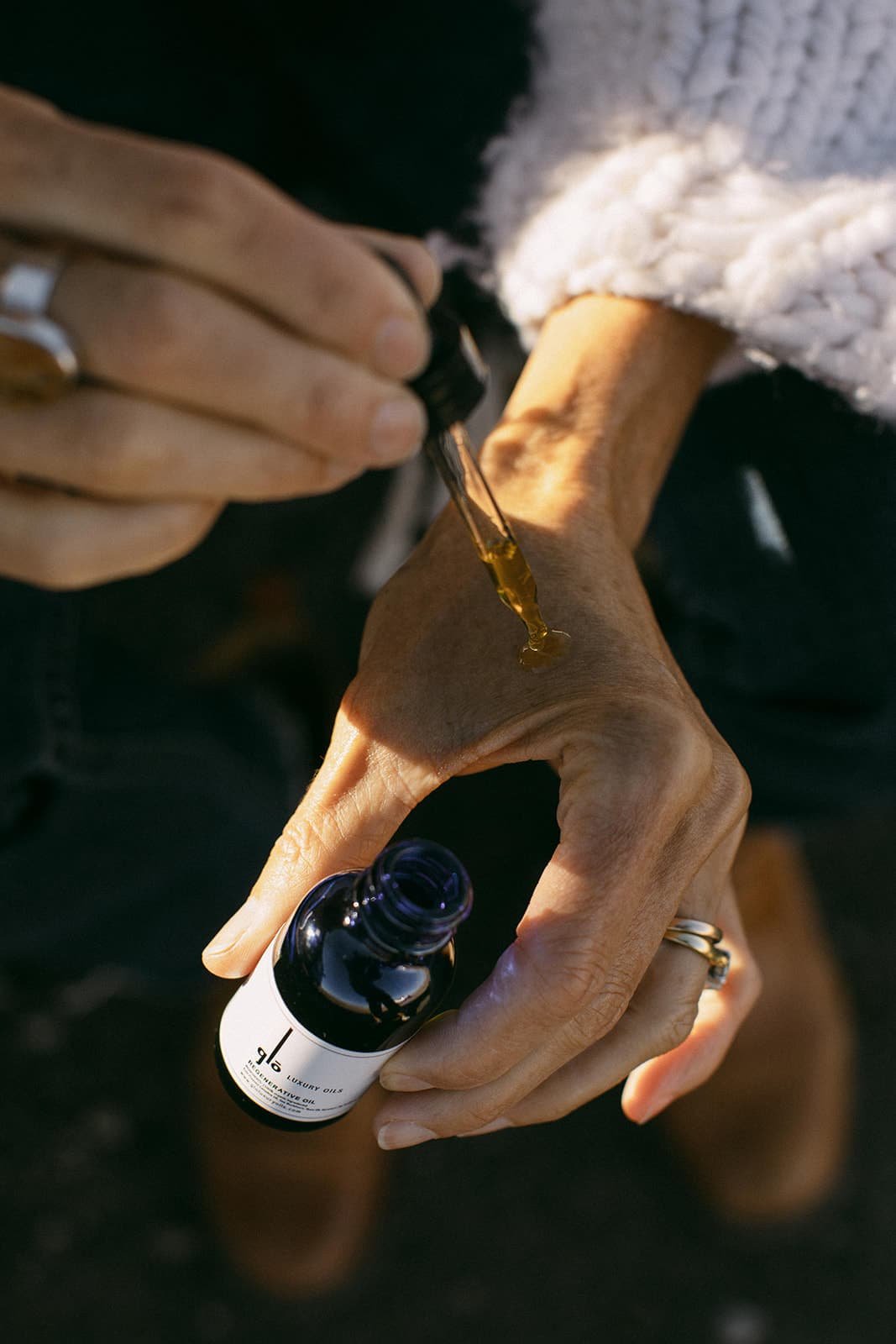
Here is the ritual we recommend:
- Pat skin dry with a towel, leaving it slightly damp.
- Warm three to five pumps of oil between your palms.
- Press, do not rub, starting at the ankles and working upward.
- Give extra attention to elbows, knees, and shins.
- Let it settle for a minute before dressing.
A common mistake is using too much. More oil does not mean more nourishment; it just means a longer wait before you can put on clothes. Start small and add.
Choosing the Best Organic Body Oil for Dry Skin
Many people like oils built on a cold-pressed carrier oil with a short ingredient list.
Match the oil to how your skin feels, not to a trend:
- Tight and flaky: reach for the richer camelina-based oils.
- Reactive and easily flushed: choose the gentlest, simplest blend.
- Dull and mature: look for vitamin-rich oils like argan and prickly pear.
- Oily or combination: use less, and press it only where skin feels dry.
A Buyer's Guide by Skin Feel, Not Skin Type
Most shopping lists sort oils by skin type, which is too blunt to be useful. A better approach is to sort by how your skin feels on a given day, because that changes with weather, stress, and season. Use these four questions as a quick filter before you buy:
- How does your skin feel an hour after a shower? If it feels tight, you want a richer carrier like camelina. If it feels comfortable but looks dull, you want a vitamin-rich oil like argan or prickly pear. If it feels fine but you want a glow, a lighter oil is enough.
- How many ingredients do you want to read? A short list is easier to verify. A long list usually means a carrier oil stretched with fillers or fragrance.
- Do you want scent? Scented oils rely on essential oils, which are the most common trigger for sensitive skin. Unscented or lightly scented options are safer for reactive skin.
- How much do you want to use per application? Lighter oils need more pumps; richer oils need fewer. This affects how long a bottle lasts and how often you reorder.
How to Compare Cold-Pressed Oils Side by Side
Once you have two or three candidates, compare them on the same four criteria so the decision is not driven by marketing language:
- Carrier oil first ingredient: The first ingredient should be the cold-pressed carrier, not a filler or fragrance. If the first ingredient is an essential oil or a blend, the carrier is likely diluted.
- Extraction method stated plainly: The label or product page should say cold pressed and, ideally, where. A vague claim like "pure" or "natural" is not the same as a stated extraction method.
- Ingredient count: Fewer ingredients means fewer variables to react to. A three- to five-ingredient oil is easier to patch test and easier to trace.
- Sourcing transparency: Can the brand name the farm, grower, or cooperative behind the main oil? If not, the organic claim is harder to verify.
A common pattern is that richer oils cost more per ounce because the carrier is more expensive to source and press in small batches. That is a trade-off worth knowing before you compare bottles by price alone.
What to Skip
- Oils with alcohol or fragrance listed high: These can feel drying and are more likely to irritate sensitive skin.
- Oils marketed as a fix for a specific condition: Nourishment is the goal, not correction. An oil that promises to repair a problem is usually overselling what a carrier oil can do.
- Oils with no stated extraction method: If the page does not say cold pressed, assume it is not.
Watch out: a bottle can say organic and still contain a carrier oil that was heated during extraction, so check the extraction claim separately from the organic claim. The two are not the same thing, and the next section explains how to verify both.
What Certified Organic Body Oil Really Means
Certified organic body oil means the ingredients were grown and processed under a recognized organic standard, with oversight and paperwork behind the claim. It is not the same as a label that simply says "natural," which has no legal definition in skincare.
So how do you verify it? Ask three questions:
- Which certifying body inspected the ingredients?
- Can the brand name the farms or growers behind the main oils?
- Is the oil cold pressed, and where?
The Montana grower behind our camelina base is one example of the small-scale growers we work with. If you want to go deeper on why batch size matters, read about the benefits of small batch organic skincare.
What Cold Pressed Actually Means
Cold pressed means the oil was extracted by mechanical pressing without added heat or chemical solvents.
A practical test: if the label says cold pressed but the oil has no scent and a very pale color, it may have been refined after pressing. Cold-pressed oils vary in color and scent from batch to batch because they are not standardized.
How to Read a Label Without Getting Fooled
Labels are written to sell, so read them in this order:
- Ingredient list, first line. The first ingredient is the largest by volume. It should be the cold-pressed carrier oil, not a fragrance or filler.
- Extraction claim. Look for the words cold pressed, and look for where it was pressed. A brand that names the press or the region is easier to verify than one that does not.
- Certification mark. A recognized organic certification should appear as a seal with a certifying body name, not just the word organic in the product title.
- Scent source. If the oil is scented, the scent should come from listed essential oils, not from a generic "fragrance" entry, which can hide dozens of compounds.
- Batch or lot number. Small-batch producers often print a batch number. It is a sign the oil was made in discrete runs rather than mass-blended.
What Certification Does and Does Not Cover
A recognized organic certification covers how the ingredients were grown and handled, including restrictions on synthetic pesticides and fertilizers.
That is why the strongest product pages state the certification, the extraction method, and the sourcing relationship separately.
Watch out: a certification seal on the outer box does not always mean every ingredient is certified, so check whether the seal applies to the whole formula or only to selected ingredients.
Frequently Asked Questions
What does cold pressed mean in body oil?
Cold pressing extracts oil from seeds and nuts using mechanical pressure instead of heat or chemical solvents. Because the oil stays below high temperatures during extraction, it keeps more of its natural vitamin E and omega fatty acids intact. Body Love Oil is made with cold-pressed camelina from a small Montana grower.
How can I tell if a body oil is certified organic?
Look for a certification seal from a recognized certifying body on the label or product page, and check whether the brand names its farms and growers. Ask directly which ingredients are certified organic versus grown with organic practices. A transparent small-batch maker will tell you, and that answer tells you a lot about how the oil was made.
Which organic body oil is best for dry or sensitive skin?
Relaxing Lavender Body Oil uses cold-pressed camelina as its base and lavender essential oil, and the listing notes the gentle qualities of lavender are appropriate for pregnant women and children alike.
How do I apply body oil after a shower?
Pat your skin dry and apply while it is still slightly damp, within a few minutes of stepping out. Warm three to five pumps between your palms and press, rather than rub, from ankles upward. This turns application into a slow ritual you can enjoy.
What is the difference between body oil and body lotion?
Lotions combine water, oil, and emulsifiers, so they absorb quickly but often need reapplying. Body oils are concentrated plant oils with no water. If you enjoy a slow, nourishing ritual, an organic cold pressed body oil applied to damp skin is one way to do it.
